Building a credit history is an important part of managing personal finances, but the process isn’t always straightforward.
Traditional credit products can involve eligibility requirements, credit checks, and financial commitments that make getting started feel complicated.
That’s what makes Kikoff an interesting company to explore in 2026.
Rather than positioning itself as another everyday credit card provider, Kikoff focuses on helping eligible U.S. consumers establish or strengthen their credit profiles through structured monthly payments, credit bureau reporting, and financial management tools.
After exploring the platform, I think its most interesting feature is how it brings several aspects of credit building together in one service.
But understanding exactly what customers are paying for is essential.
A Different Starting Point for Building Credit
Founded in 2019, Kikoff is a U.S.-focused financial technology company that offers credit-building services designed to help consumers develop stronger credit histories.
The company says it has helped millions of people work toward improving their financial standing.
At the center of its offering is the Kikoff Credit Account, a credit line intended specifically for financing purchases through Kikoff, including its credit-building service.
Unlike a traditional credit card, this account cannot be used for everyday purchases such as groceries, fuel, or restaurant meals.
Instead, Kikoff reports account activity to major credit bureaus, helping establish payment history and other elements of a consumer’s credit profile.
For me, this distinction is important because it explains both the purpose and the limitations of the product.
How Kikoff Turns Monthly Payments Into Credit History
Kikoff’s credit-building process is designed around a relatively straightforward structure.
Eligible applicants can sign up without a traditional credit check, although identity verification and approval requirements still apply.
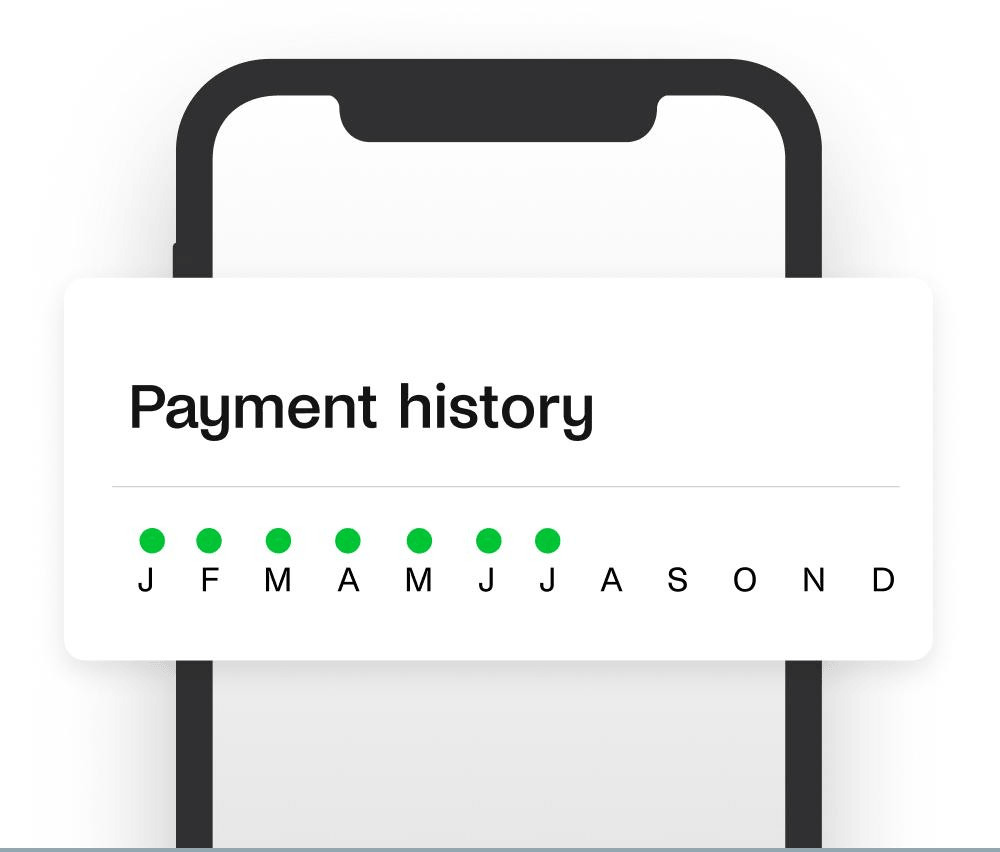
After selecting a plan, customers make monthly payments associated with their Kikoff Credit Account.
The company reports account balances and payment activity to Equifax, Experian, and TransUnion, the three major U.S. credit bureaus.
Because payment history and credit utilization can influence credit scores, consistent account management may help consumers strengthen their credit profiles over time.
Kikoff also offers an Autopay feature to help customers manage recurring payments.
What I appreciate about this approach is its emphasis on consistency rather than borrowing money for unnecessary everyday purchases.
However, credit improvement isn’t automatic. Results depend on individual credit histories, reporting information, and other financial factors.
Missed or late payments can negatively affect credit scores, so understanding the ongoing payment commitment matters.
Three Plans, Three Levels of Credit-Building Support
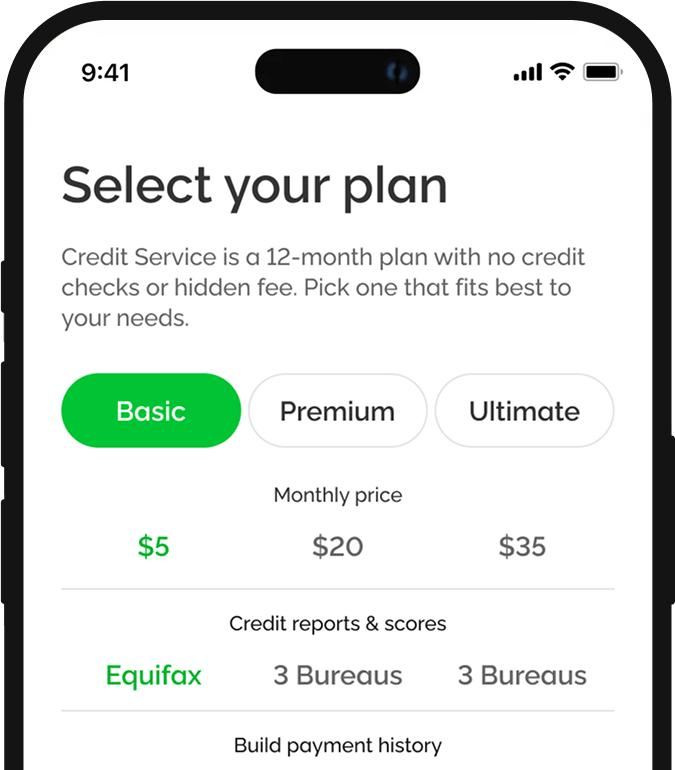
Kikoff currently offers three main subscription plans, each combining credit reporting with different financial tools.
The Basic plan costs $5 per month and includes a $750 reported credit line, reporting to all three major credit bureaus, weekly credit reports, and qualifying rent reporting to Equifax and TransUnion.
For customers interested in additional features, the Premium plan costs $20 per month.
It includes a $2,500 reported credit line, three-bureau credit reports and scores, bill reporting, and spending management tools.
The Ultimate plan costs $35 per month, expanding the reported credit line to $3,500 and adding benefits such as identity theft insurance and personal data protection.
I think the important consideration here is that a higher-priced plan doesn’t automatically mean a better credit score.
Each tier offers different features, and customers should evaluate whether those additional services justify the monthly cost.
The Basic plan, for example, is advertised at $5 monthly over a 12-month period, totaling $60 if maintained for the full year.
Kikoff also states that its credit-building service is not a credit-builder loan, meaning customers don’t receive their subscription payments back after completing the plan.
Giving Rent and Household Bills a Bigger Role
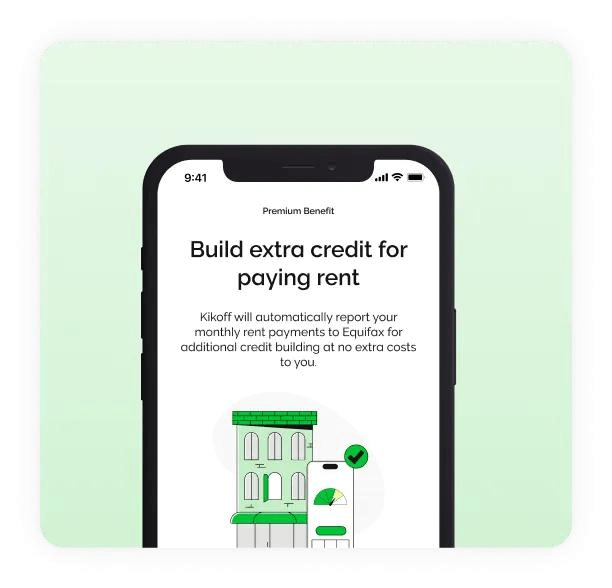
One feature I find particularly interesting is Kikoff’s approach to payments people may already be making.
Through its Rent Reporting service, eligible rental payments can be reported to Equifax and TransUnion.
The company also advertises the ability to report up to two years of previous rental payments for a separate one-time $50 fee.
Its Bill Reporting feature, included in certain plans, covers eligible payments for services such as electricity, natural gas, water, and phone bills.
These payments are reported to TransUnion, giving consumers another potential way to establish positive payment history.
I like the broader idea behind these features.
Instead of treating credit building as something that happens only through traditional borrowing, Kikoff recognizes that regular financial responsibilities may also contribute useful information.
Of course, not every credit scoring model treats rental and utility payment information the same way, and reporting does not guarantee a score increase.
More Visibility Into Your Financial Progress
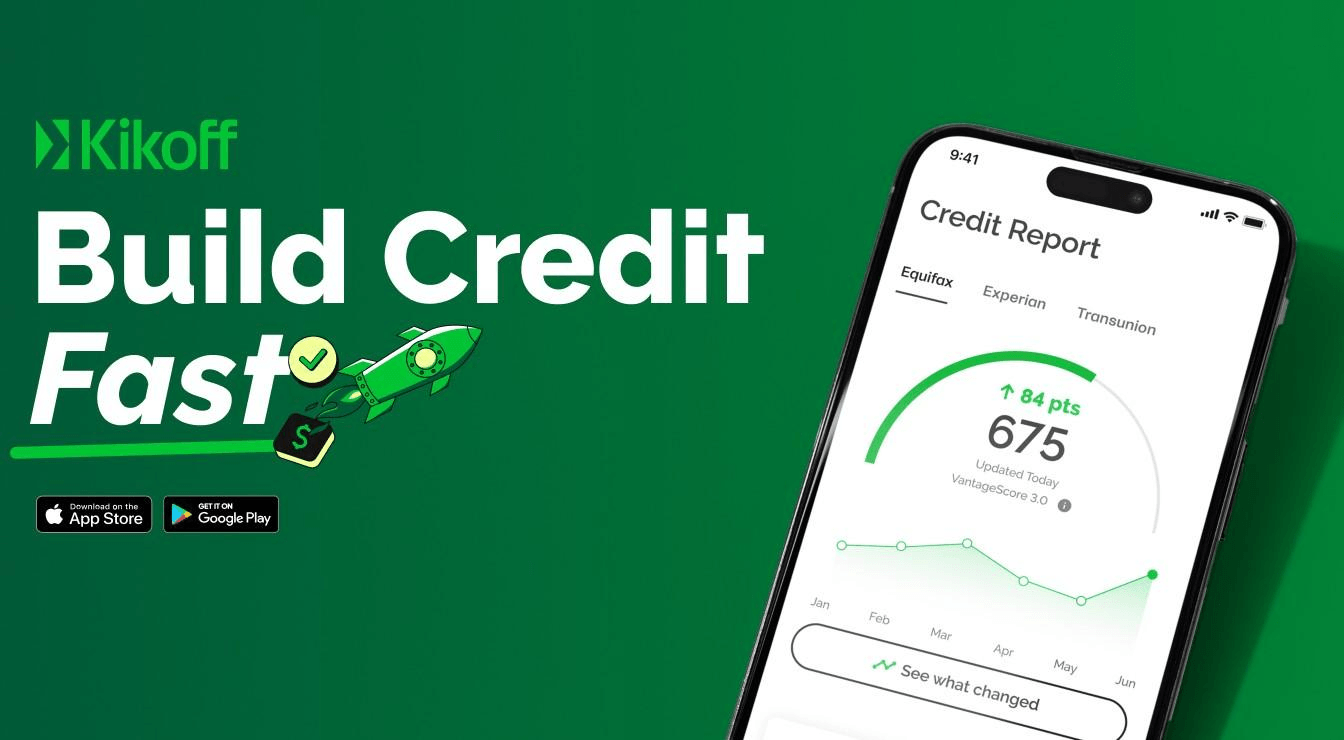
Beyond reporting payments, Kikoff offers tools designed to help users better understand their credit information.
Depending on the selected plan, these include credit reports, credit scores, spending insights, and account management features.
The platform also introduces Fynn, an AI-powered financial coach intended to help users understand credit-related information and financial decisions.
For me, these educational and monitoring features are an important part of Kikoff’s appeal.
Building credit can be difficult to evaluate when someone doesn’t understand which financial behaviors matter or how their information appears on a credit report.
Having reporting tools and explanations in one place may make that process easier to follow.
Still, I would view these features as support tools rather than substitutes for independent financial judgment or professional advice when needed.
What the Credit Score Claims Really Mean
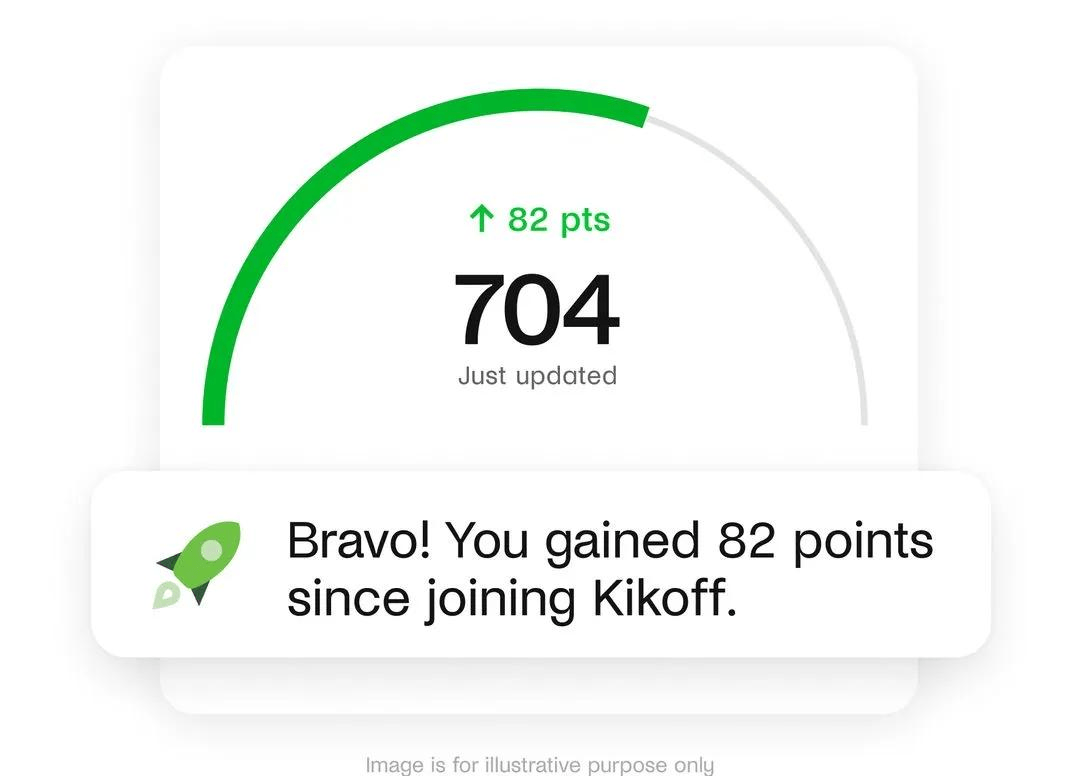
Kikoff highlights credit score improvements in its marketing, but I think it’s important to understand the conditions behind those figures.
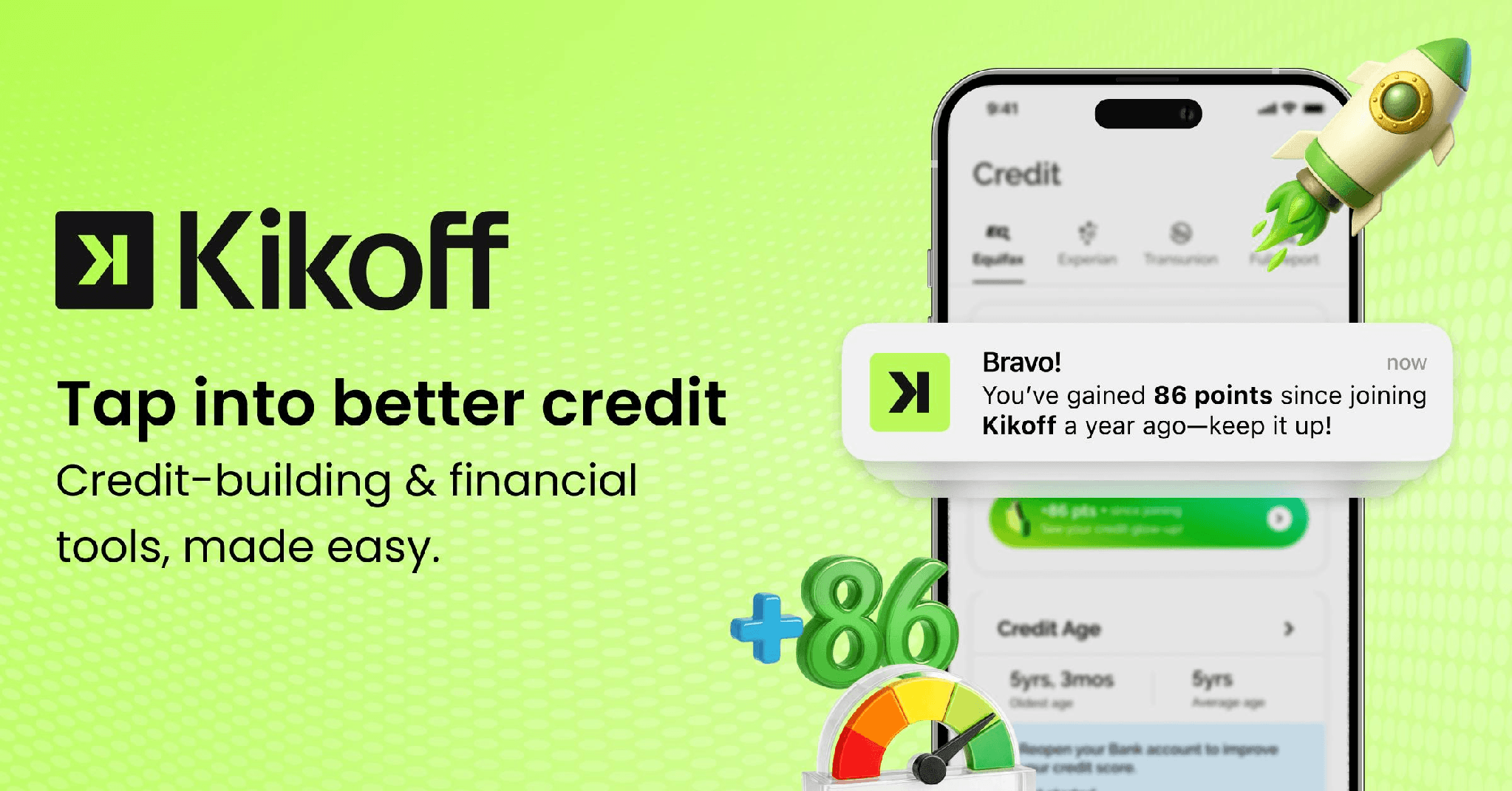
The company reports an average first-year increase of 86 points among a specific group of Kikoff Credit Account users who began with credit scores below 600.
That figure relates to users studied between August 2024 and August 2025 who made on-time payments and had no new delinquencies or collections added during the measurement period.
It is not a guaranteed result for every customer.
Someone’s existing credit history, other accounts, outstanding balances, and payment behavior can all influence the outcome.
I would therefore treat Kikoff’s published results as information about a particular customer group rather than a prediction of what any individual will achieve.
A Few Details Worth Understanding Before Signing Up
Before choosing Kikoff, I’d pay particular attention to the product’s purpose, monthly cost, and account terms.
Kikoff’s credit line is restricted to its designated services and store. It isn’t an ordinary spending account or a general-purpose credit card.
Its current Credit Account Agreement lists a 0% purchase APR, no annual fee, and no late-payment or returned-payment penalty fees for the credit account itself.
However, customers may still incur fees from their own banks or other payment providers.
Kikoff also states that plans can be canceled, although customers should review the applicable agreement to understand their obligations and how cancellation affects their accounts.
Importantly, the company’s services are intended for eligible U.S. residents, and approval and identity verification requirements apply.
These details matter because credit-building products should be evaluated on their actual terms, not simply their advertised potential benefits.
Why Kikoff Is an Interesting Financial Tool in 2026
What stands out to me about Kikoff is its attempt to make credit building more structured and accessible.
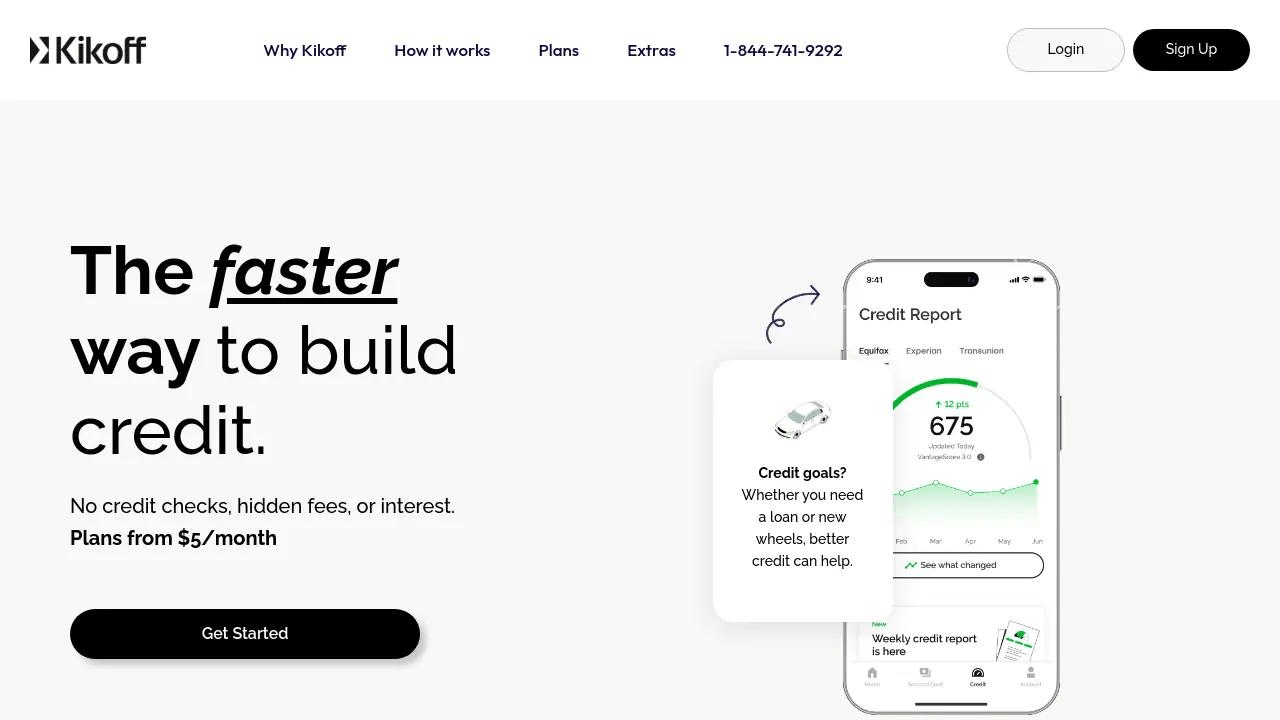
Its combination of monthly credit reporting, different subscription tiers, rent and bill reporting, and financial monitoring tools offers several ways for eligible consumers to work on their credit profiles.
I also appreciate that the company clearly distinguishes its service from traditional credit cards and credit-builder loans.
That distinction helps explain what the product is designed to accomplish and where its limitations lie.
Kikoff won’t be necessary for everyone. Consumers with established credit histories or access to suitable alternatives may not need another paid financial service.
And no credit-building platform can guarantee a particular score improvement.
But for eligible adults who want to understand credit reporting and explore a structured approach to building their financial histories, Kikoff is a noteworthy option in the U.S. credit-building market in 2026.
Learn more at Kikoff.